extracurricular activities for college play a critical role in shaping a student’s academic direction and long-term career readiness. When chosen intentionally, extracurricular activities for college help students explore interests, develop transferable skills, and stand out in competitive admissions processes.
Today’s colleges look beyond grades and test scores to understand who a student is outside the classroom. Admissions officers evaluate how students spend their time, what they commit to long term, and how those experiences connect to future academic and career aspirations. Strategic involvement in clubs, volunteer work, and internships not only strengthens applications but also helps students make more confident decisions about majors and career paths.
Why Extracurricular Choices Matter for College and Careers
Selecting extracurricular activities for college is not about quantity; it is about alignment and depth. Colleges value students who demonstrate sustained commitment, leadership, and growth through activities that reflect genuine interests.
Research consistently shows that students engaged in meaningful activities tend to perform better academically and develop stronger professional skills. Participation also exposes students to real-world environments where classroom concepts are applied in practical ways.
Key benefits of well-chosen extracurricular involvement include:
- Early exposure to potential career fields
- Development of leadership, communication, and teamwork skills
- Stronger personal statements and interviews
- Clearer academic and professional direction
When students approach activities as tools for career exploration through hobbies, they gain insight into what motivates them while building experiences that resonate with admissions committees.
.Using Interests and Hobbies to Explore Career Paths
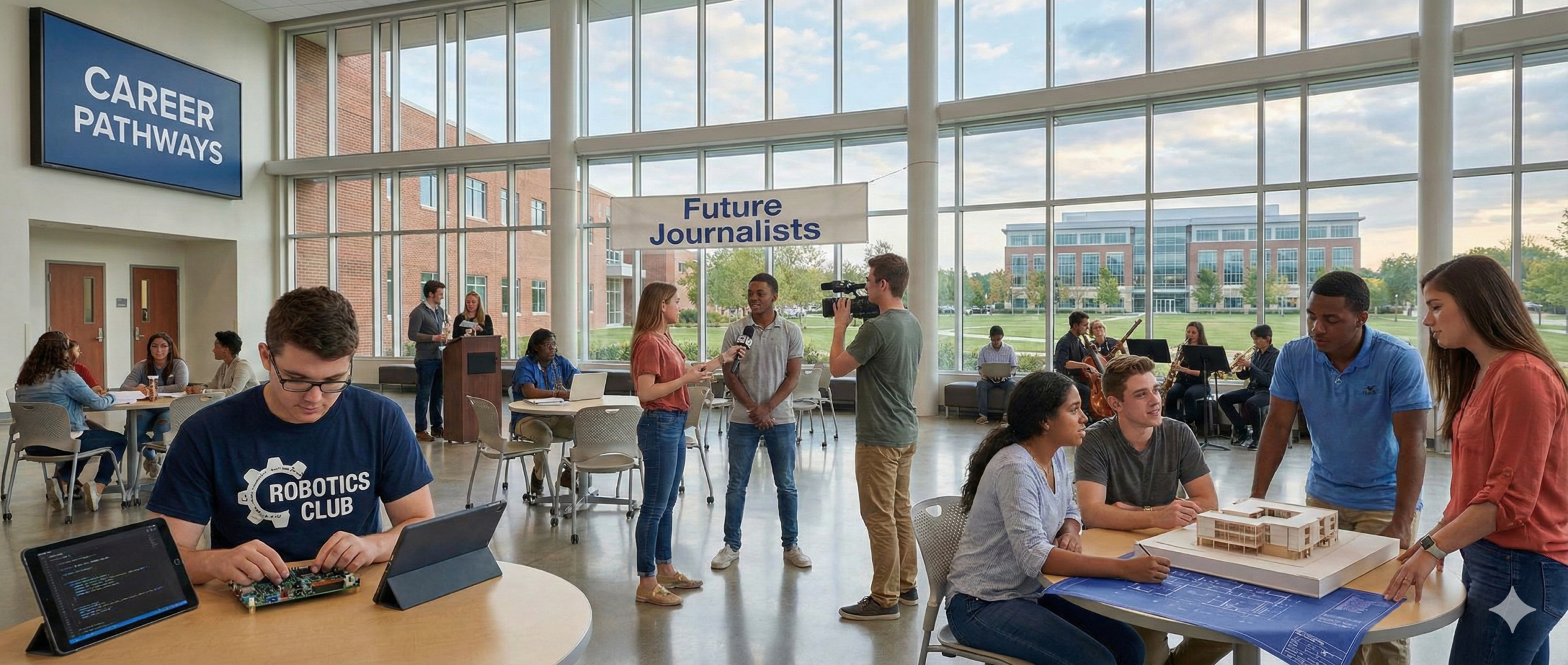
One of the most effective ways to leverage extracurricular activities for college is by using them for intentional self-discovery. Clubs, creative pursuits, and community involvement allow students to test interests before committing to a college major.
For example, a student interested in healthcare might volunteer at a clinic, while someone curious about business could join an entrepreneurship club. These experiences transform casual interests into informed decisions.
Examples of career exploration through hobbies include:
- Coding clubs for students interested in technology and engineering
- Debate or Model United Nations for law and public policy interests
- Arts organizations for creative and design-oriented careers
By engaging in career exploration through hobbies, students reduce the risk of choosing majors blindly and gain stories that demonstrate motivation, curiosity, and initiative.
Building a Competitive High-School Résumé Through Activities
Strong extracurricular activities for college also form the backbone of effective high-school résumé building. Colleges and scholarship committees look for evidence of impact, responsibility, and progression over time.
Rather than switching activities frequently, students should aim to grow within a few selected commitments. Leadership roles, project outcomes, and community impact matter more than participation alone.
Students and families can benefit from structured guidance through OpenFuturePrep’s college counseling resources, which help align academic planning with extracurricular choices and long-term goals.
Effective high-school résumé building focuses on:
- Longevity and consistency in activities
- Measurable contributions and achievements
- Leadership roles or initiative-taking
When activities are documented clearly and connected to academic interests, high-school résumé building becomes a strategic process rather than a last-minute task.
Making College Applications Stand Out Through Sustained Involvement
Admissions officers can quickly distinguish between superficial participation and authentic engagement. Sustained involvement in extracurricular activities for college signals maturity, responsibility, and passion.
Colleges are particularly interested in students who demonstrate growth—such as moving from participant to leader—or who apply skills gained from activities in new contexts.
Guidance on how to discover your passions through activities can help students reflect on experiences and articulate their value effectively in applications.
When students integrate career exploration through hobbies with intentional reflection, they create compelling narratives that show purpose and direction.
Aligning Activities With Long-Term Academic and Career Success
Ultimately, extracurricular activities for college should support both immediate admissions goals and long-term personal development. The most successful students use high school as a testing ground for interests, values, and ambitions.
Through thoughtful planning, students can balance academics with involvement that supports exploration and skill development. This approach leads to stronger confidence when selecting majors, internships, and future careers.
In conclusion, extracurricular activities for college are far more than application fillers—they are powerful tools for self-discovery, high-school résumé building, and informed career decision-making when chosen and sustained strategically.
Frequently Asked Questions
1. How many extracurricular activities for college should a student have?
Quality matters more than quantity. Colleges prefer a few meaningful commitments over many short-term activities.
2. Can hobbies really help with career exploration?
Yes. Career exploration through hobbies allows students to test interests in low-risk environments before choosing majors.
3. When should students start building their high-school résumé?
High-school résumé building should begin early in high school to allow time for growth, leadership, and impact.
4. Do colleges prefer leadership roles in activities?
Leadership is valuable, but demonstrated initiative, consistency, and contribution are equally important.
5. How can students connect extracurriculars to college essays?
Students should reflect on what they learned, how they grew, and how activities shaped their academic or career goals.